Does ERP make you worse before it gets better?
 The short answer
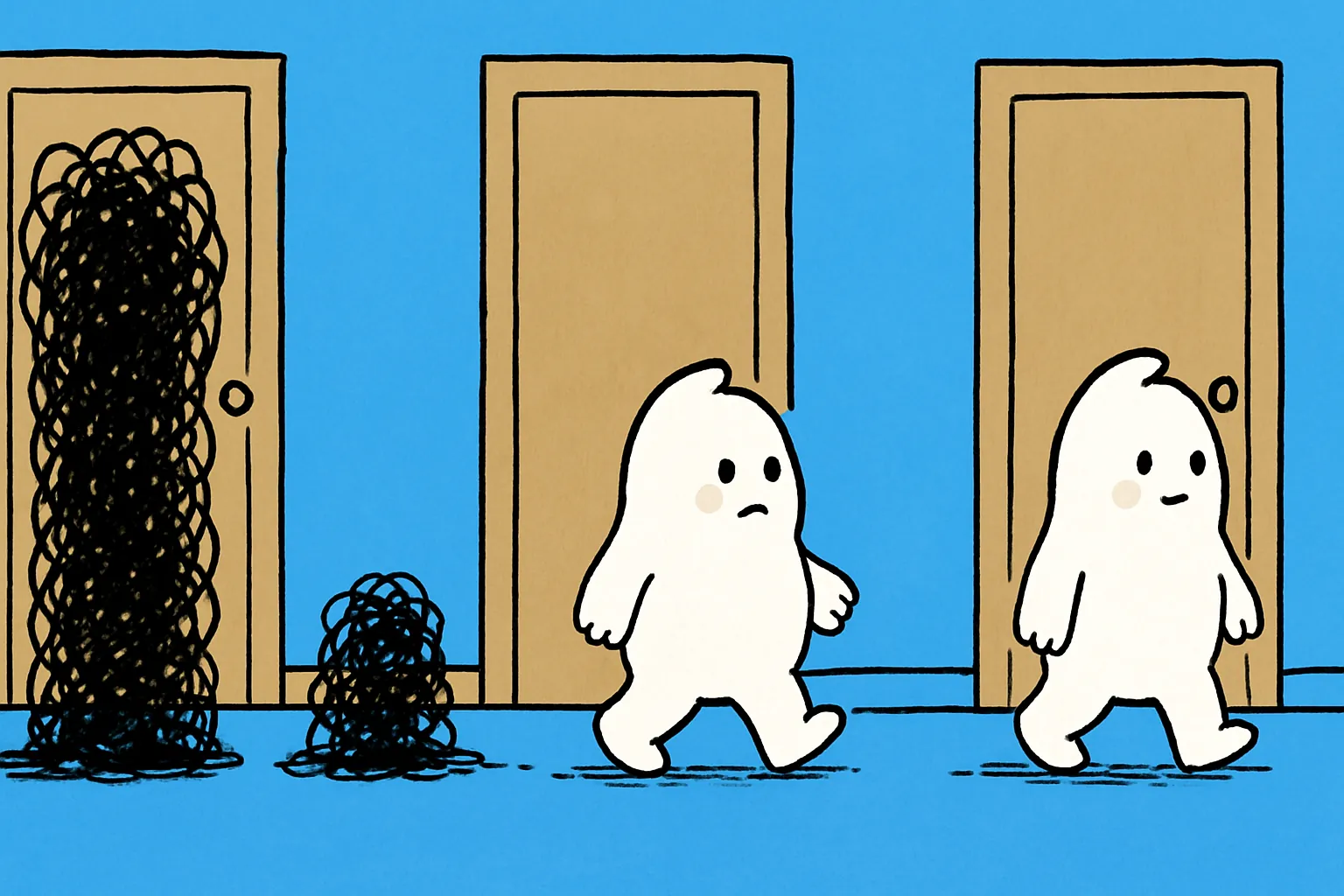
Anxiety usually rises during exposures, and that's by design, not a sign of damage. You're facing a trigger without the compulsion that normally dampens it, so the spike lasts longer at first. With repetition, spikes get shorter and less convincing. ERP doesn't hand you new symptoms. The real risk is quitting early because the pace was too steep, and the pace is yours to set.
Does ERP make you worse before it gets better?
The anxiety part gets worse first. That isn’t a side effect, it’s the exercise. You walk toward the thing that spikes you, you don’t do the thing that usually takes the edge off, and the alarm climbs and stays up longer than you’re used to. Across repetitions, the spikes get shorter, quieter and less convincing.
What ERP doesn’t do is hand you a brand new disorder. Worry that exposure is harmful is common, including among clinicians who’ve never delivered it, and it hasn’t held up when the outcomes are actually looked at.
The thing that genuinely goes wrong is people stopping in week two or three, when it’s all cost and no payoff yet. That’s the risk worth planning around, and it’s usually a pacing problem rather than a courage problem.
We won’t tell you ERP will be comfortable. It often isn’t, at the start.
Why does anxiety go up during exposure?
Because you’re taking away the only thing that was ever bringing it down quickly.
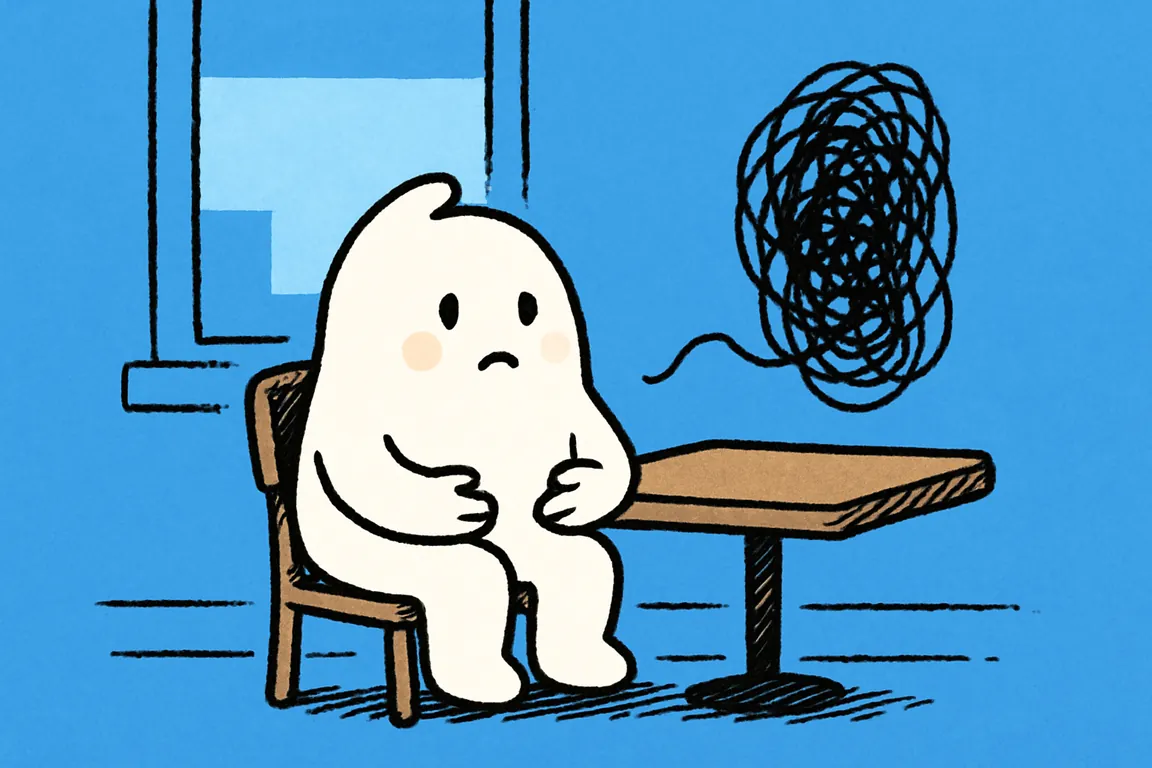
Compulsions work. That’s the trap. Checking, washing, mentally reviewing, confessing, asking someone to tell you it’s fine, all of it drops the anxiety in the short run, which is exactly why your brain keeps ordering it. Stop supplying it and the urge gets loud. Reassurance in particular wears off fast and comes back hungrier, so the first week without it feels like withdrawal.
The original explanation for why exposure works was that fear changes when you stay with it long enough to take in information that doesn’t fit the alarm. The newer account is slightly different and more useful when you’re struggling: each exposure builds new learning that competes with the old alarm, and being surprised by what happens matters more than waiting for the anxiety to drop.
So you’re not grinding until you feel calm. You’re collecting experiences your OCD didn’t predict.
What does “worse” usually mean in the first few weeks?
When people say ERP made them worse, they usually mean one of these.
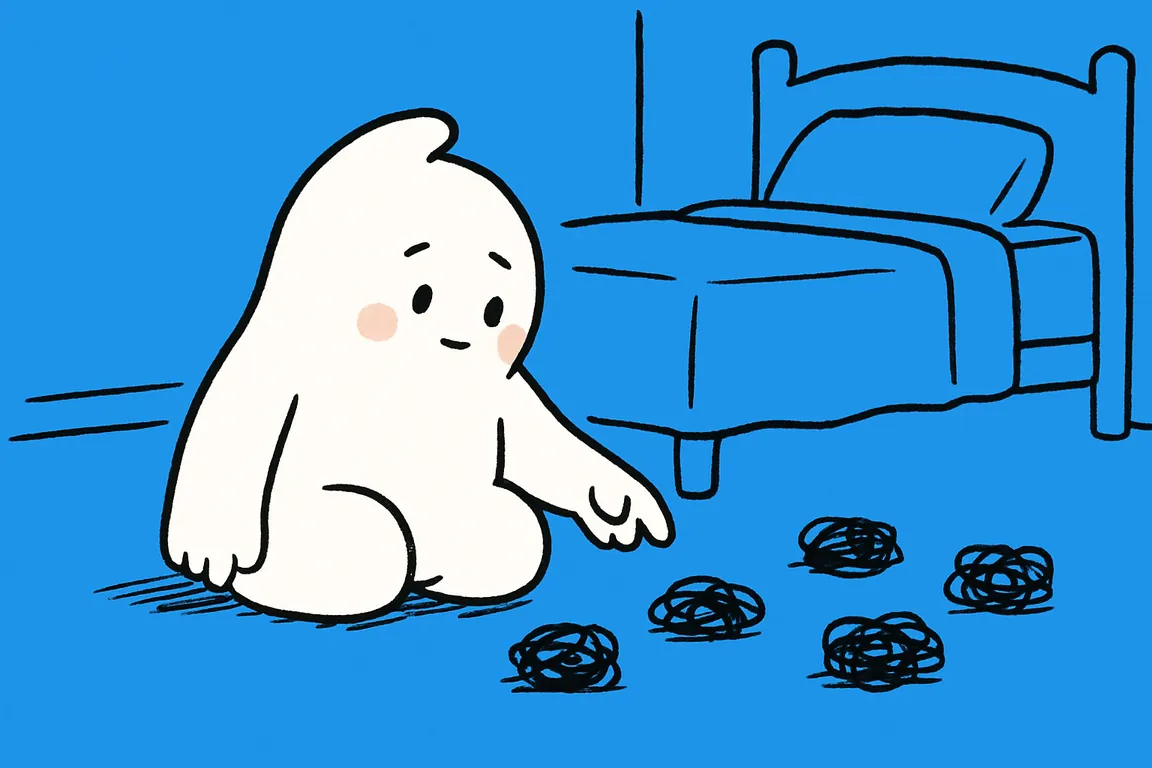
You notice more. Before ERP, half your compulsions were automatic. Now you’re naming them, so it looks like there are suddenly more of them. There aren’t. You can see them.
The urges are louder. Unfed urges shout. That’s the sound of a habit not getting paid.
You’re wrung out. Sitting with a spike takes real energy, and evenings after a hard exposure can be flat and tearful.
A different theme shows up. Contamination quietens and a harm thought arrives, or the relationship doubt lands, or a real event starts itching. OCD shifts themes with or without treatment, and the engine is the same one. Why the new theme feels so undeniably real hasn’t changed either.
None of that is deterioration. What would count as deterioration is functioning sliding for weeks, sleep collapsing, mood dropping hard. That’s worth a conversation with a clinician, not a reason to conclude exposure is dangerous.
How to do ERP without burning out on it
-
Build a ladder and start where you can actually finish. Hierarchies and how to climb them are the standard method in the field’s reference text. If step one leaves you unable to work the next day, it wasn’t step one.
-
Aim for willing, not calm. The goal is to stay in the situation with the doubt unresolved. “Maybe, maybe not” is the honest sentence, and it’s the whole posture.
-
Cut the hidden rituals too. Mental reviewing, silent arguing, checking your body for the right feeling, texting for one small clarification. Exposure works better when the rituals are stopped rather than trimmed. Doing an exposure while secretly ritualizing gets you the pain without the learning.
-
Vary it rather than escalating it. Change the setting, the time of day and your mood, and drop the safety behaviors. Ten different small reps teach more than one heroic session you never repeat.
-
Repeat sooner than feels fair. The second rep is where the surprise lands. Leaving a week between attempts means starting from cold every time.
-
Live in between. Go back to work, the washing up, the conversation, with the thought still along for the ride. If an unplanned spike hits, ride the free wave and skip the ritual rather than adding an emergency exposure on top.
-
Get eyes on the plan. Therapist-led ERP outperformed self-directed workbook ERP, and the workbook still helped. If a specialist isn’t available, guided ERP at home has real evidence behind it, and there’s a practical walkthrough of running ERP at home.
-
Review weekly, not hourly. Asking “is this working?” ten times a day is just another certainty-seeking compulsion.
Is dropping out the real risk?
Yes, and it’s measurable. Across trials, roughly one in seven people leave ERP before finishing, which is a lot of people who never get to the part where it pays off.
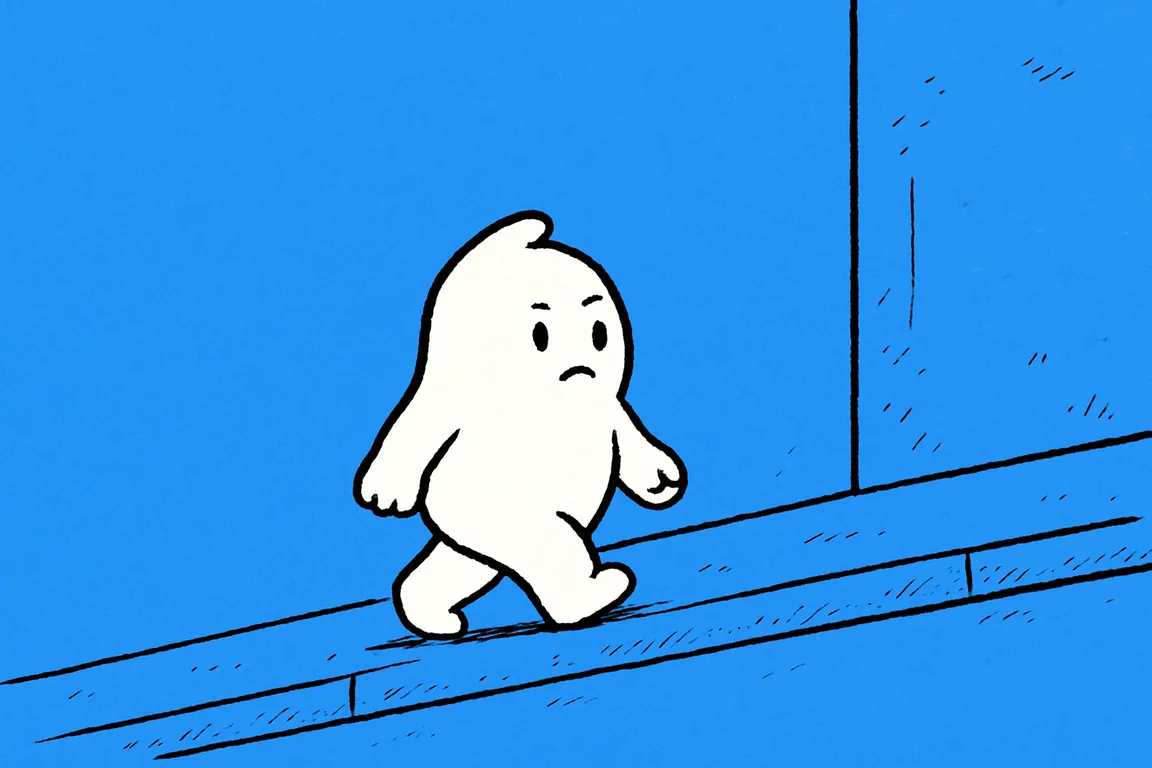
People rarely quit because ERP hurt them. They quit because the first steps were pitched at someone braver, because nobody explained that the spike was supposed to happen, or because they were doing exposures alone at 1am with no plan.
All of that is fixable by renegotiating the step. Pace is yours. Going slower is not the same as going backward, and it beats stopping. If acceptance skills help you get into the exposure, use them: adding them to ERP did as well as ERP alone, which makes them a way in rather than a way round.
What if it feels like it’s genuinely getting worse?
Take it seriously and take it to a person. Tell your therapist the truth about how the week went, including the compulsions you did in secret, because a plan built on an edited report gets pitched wrong.
Worth flagging out loud: sleep going, appetite going, mood sinking over weeks, or the sense that nothing will ever shift. Depression rides along with OCD often, and it needs its own attention rather than a harder ladder. If thoughts of ending your life are part of this, please find a helpline in your country and speak to someone today; Surf OCD isn’t a crisis service.
Also check the obvious: are you still getting reassurance from somewhere? Stopping the asking is often the piece that unlocks the rest.
How long before it actually gets better?
Nobody can hand you a date. What can be said is that the direction of travel in the research is consistent: pooling dozens of randomized trials, CBT built on ERP beats waiting lists, placebos and medication comparisons, and it’s the recommended first psychological treatment for good reason.
Most courses run over weeks rather than days, and most people notice the change in the shape of the spikes before they notice it in the content of the thoughts. The thought still turns up. It just stops running the afternoon.
On the bad days, the job shrinks to one thing: don’t do the ritual, and if you already did, treat the next urge as a fresh wave rather than proof you’ve ruined it.
 Straight answers
Can ERP make my OCD worse permanently?
Nobody can promise you an outcome, but that isn't what the treatment research shows. Anxiety rising during exposure is the intended mechanism, and symptoms falling across sessions is the usual pattern. What can genuinely set you back is an unmanageable pace that makes you quit. If things are sliding over weeks rather than hours, say so to a clinician and adjust the plan.
How long does the worse-before-better phase last?
For many people the hardest stretch is the first two to four weeks, when rituals are being dropped and nothing feels easier yet. It varies a lot with how steep your ladder is and how many hidden compulsions are still running. The reliable sign of progress is spikes getting shorter, not thoughts getting nicer.
Is it normal to get a new OCD theme during ERP?
Yes, theme switching is extremely common, with or without treatment. The content changes and the engine stays identical: a sticky thought, a spike, an urge to resolve it. Treat the new theme the same way rather than starting a fresh investigation into whether this one is different. OCD always insists this one is different.
Do I have to feel very anxious for ERP to work?
You need to be genuinely engaged with the doubt, not maximally terrified. Newer research suggests what matters most is being surprised by what happens and dropping the safety behaviors, rather than pushing anxiety as high as possible or waiting for it to hit zero. Manageable, repeated, varied exposures usually beat one overwhelming session.
Should I stop ERP if I'm having a bad week?
Pausing and shrinking the step are different from quitting, and the second is the thing that costs people recovery. If a step is flattening you, drop back down the ladder, keep the response prevention going, and tell whoever is supporting you. Leaving the treatment entirely usually hands the loop its ground back.
 Keep reading
Written by Edwin Simonds and checked against every source cited above. Not medical advice.