Exposure ideas for every OCD theme
 The short answer
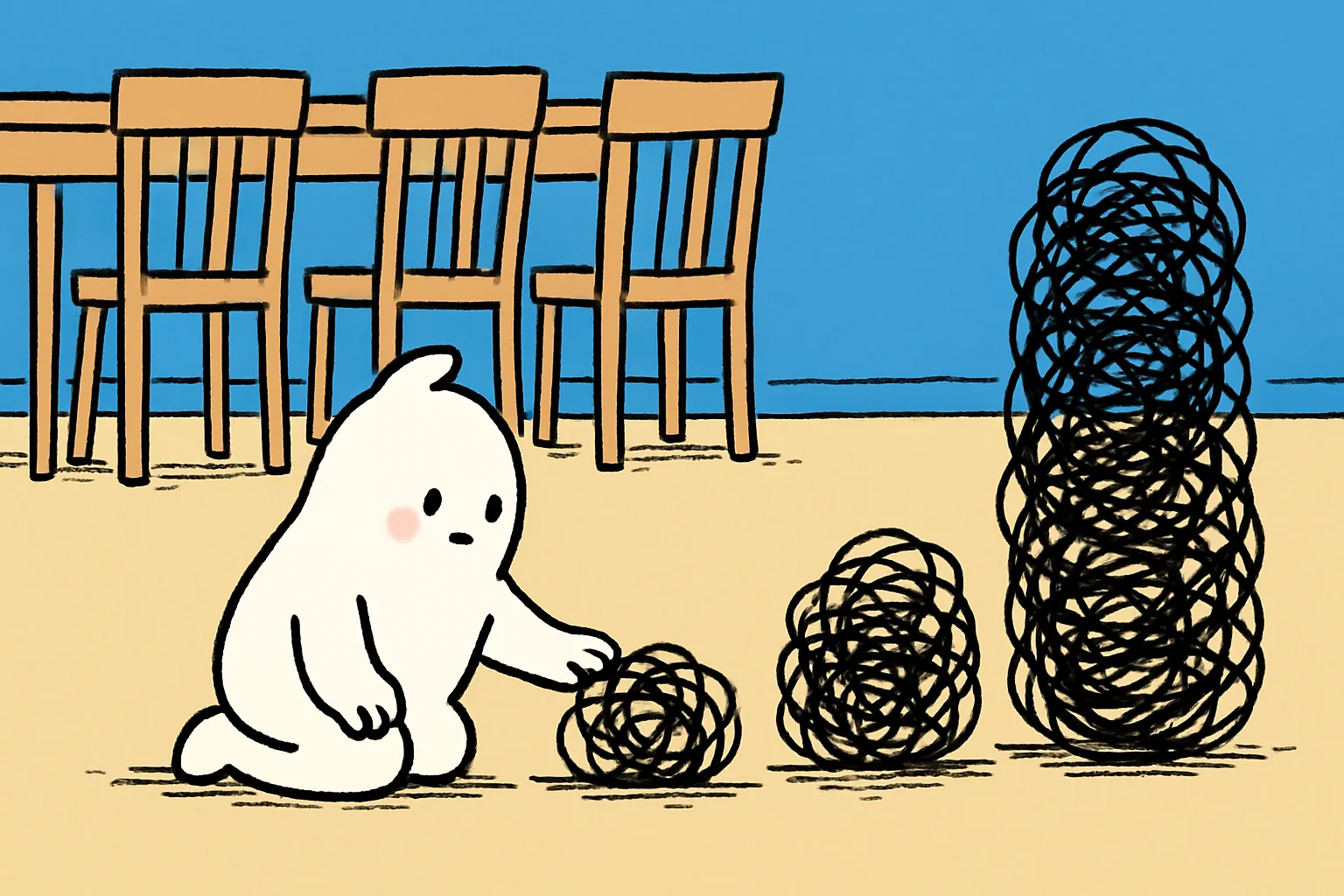
Exposure ideas are small planned steps toward what OCD tells you to avoid, done without the ritual afterward. Pick your theme, list the things you dodge, rank them by how loud the urge gets, and start around a 4 out of 10. Write the word, touch the handle, leave the doubt unanswered. The response prevention line matters more than the exposure itself.
What counts as an exposure, and what doesn’t?
An exposure is a deliberate approach to something OCD tells you to avoid, done without the ritual that usually follows. That’s the whole definition. Fear changes when you stay with something long enough to take in information that doesn’t fit the alarm, and the current version of that account puts the weight on being surprised by what happens rather than on waiting for your anxiety number to drop.
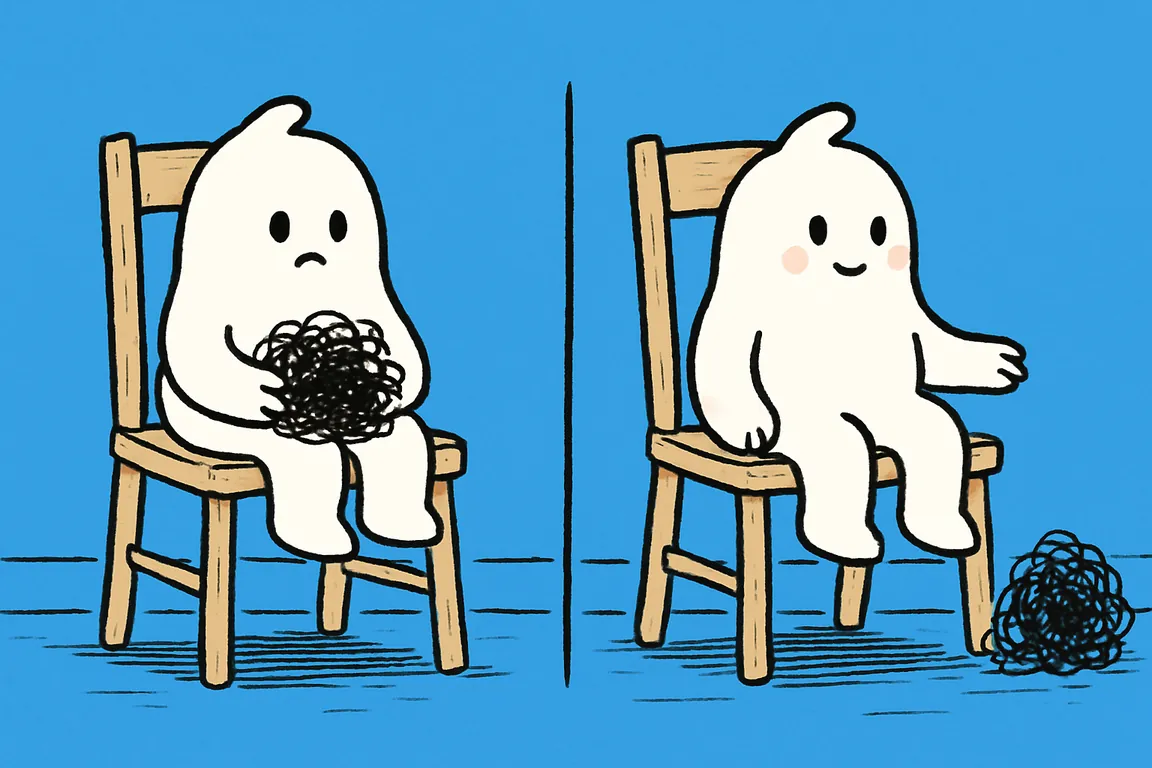
So it isn’t a test you pass by feeling calm. It isn’t an endurance contest either. Sitting rigid, counting down, arguing with the thought the whole time, that’s a slower ritual wearing exposure clothes.
Two things separate an exposure from just having a rough day: you chose it, and you didn’t tidy it up afterward.
One rule runs under everything below. No exposure involves real danger, real harm to anyone, or breaking a law. If an idea needs any of that, it isn’t ERP and you should bin it.
How to build an exposure ladder from these ideas
Ladders, or hierarchies, are the standard method in the field’s reference text. Building one takes about twenty minutes.
- List what you avoid. Ten to twenty lines. Places, words, objects, conversations, thoughts you refuse to let finish.
- Rate the urge, not the fear. For each line, how loud does the pull to fix it get, 0 to 10?
- Write the compulsion next to it. This is the response prevention line, and it’s the half people skip.
- Start at a 4 or 5. Not a 9. A rung you can climb without bargaining.
- Repeat it until it’s boring, then change it. Vary the exposures, drop the safety behaviors, and practice in different places and moods so the learning travels.
- Use imagination where life can’t help. For memories and worst-case scenarios, write a script. Real-life exposure combined with exposure in imagination beats either on its own.
- Move up when the rung stops surprising you.
For the full method, including how long to stay and how often to practice, read our guide to doing ERP at home.
Exposure ideas for checking, contamination and health OCD
Checking. Lock the door once and walk to the end of the street without turning round. Send the email after one read-through. Leave the hob dial untouched behind you on the way out. Leave one small thing unverified for a whole day. Response prevention: no going back, no photos, no asking a housemate, no mental replay of what you saw. Repeated checking makes you trust your memory less, not more, so the replay is part of the problem.
Contamination. Touch a public handrail and delay washing by ten minutes, then an hour, then until the next normal wash. Sit on the floor in outdoor clothes. Put your bag on the kitchen counter and leave it there. Response prevention: no wiping, no extra rinse, no changing clothes early, no keeping a mental map of everything you’ve since touched.
Health. Read the name of the illness out loud. Notice a sensation and leave it unexplained for the rest of the afternoon. Go one day without a search or a body check. Watch a show with a diagnosis in the plot. Response prevention: no googling, no prodding, no re-asking a question you’ve already had answered. Reassurance behaves exactly like checking: more people asked, less satisfaction with the answer. If that’s your main compulsion, start with stopping the asking.
Exposure ideas for harm, sexual and taboo themes
These are the themes people most want a therapist for, and that’s a fair instinct. The exposures themselves stay ordinary.
Harm. Write the feared sentence in your own handwriting: “what if I hurt someone I love.” Say the word out loud ten times. Stay in the room with the person while the thought is present and keep doing the ordinary thing you were doing. Do the everyday household task you’ve been handing to someone else. Response prevention: no scanning your body for intent, no mental court case, no confessing, no arranging to be somewhere else.
Sexual and taboo. Read the word. Let a triggering image cross your mind without following it with an investigation. Watch a film with a taboo storyline. Let the thought arrive in an ordinary setting and stay put. Response prevention: no groin checks, no reviewing what you felt, no comparing today’s reaction with last week’s, no confession to a partner or a forum.
What these exposures put pressure on is thought-action fusion, the sense that thinking something is as bad as doing it or makes it likelier. They don’t hand you a verdict. Maybe, maybe not, and you go and live the evening anyway.
If the intrusive thoughts involve ending your life and you’re genuinely unsure how safe you are, exposure isn’t the starting point and Surf OCD isn’t a crisis service. Please find a helpline in your country and speak to a person today.
Exposure ideas for relationship, scrupulosity and real event OCD
Relationship. Make a plan for next month without first checking how you feel about your partner. Look at their photo and let “maybe this isn’t right” sit there unanswered. Say out loud, “I don’t know for certain, and I’m choosing this anyway.” Response prevention: no feelings check, no comparing your relationship with anyone else’s, no confessing the doubt, no fishing for “do you still love me?”
Scrupulosity. Pray or read once, with the doubted word or distracting thought present, and don’t restart. Leave a small imperfection uncorrected. Write the feared sentence about your own standing and read it daily. Response prevention: no repeating, no confessing the same thing twice, no collecting rulings from three different authorities.
Real event. Write the plainest one-paragraph account of the memory, no softening and no extra detail, and read it once a day without editing. Say the feared verdict out loud: “maybe I did a harmful thing, and maybe I’ll never know how bad.” Response prevention: no timeline reconstruction, no hunting for witnesses or old messages, no serial apologising. Vividly imagining an event raises your confidence that it happened that way, which is why the mental review keeps making it feel more real. There’s more on that in our piece on real event OCD and guilt that won’t resolve.
Exposure ideas for pure O, mental rituals and sensorimotor OCD
Pure O and mental compulsions. Record the sticky thought in your own voice and listen to the loop for ten minutes. Write the worst-case script and read it without changing a word. Repeat the thought aloud until it’s just a sound, which makes it less believable and less upsetting in the lab. Then put it in your pocket and go to work. Response prevention: no answering the question, no scanning for the right feeling, no swapping in a good thought, no “one last think it through”.
Sensorimotor. Deliberately notice the breath, the blink, the swallow, and carry on with the task while it’s noticed. Read the word for the sensation. Set a timer and watch it on purpose for two minutes. Response prevention: no wrenching your attention elsewhere, no checking whether it’s gone automatic yet, no distraction as an escape.
Why is the response prevention line the part that matters?
Because exposure without it is just a spike. Pooled across trials, exposure works better when the rituals are fully stopped rather than cut down, and that includes the invisible ones: the replay, the reassurance text, the silent argument.
When you write your ladder, write the response prevention line first. Then the exposure is simply whatever you have to do to make that line hard.
What if the exposure feels too big?
Drop a rung. There’s no prize for starting at an 8, and the main way ERP fails isn’t harm, it’s people quitting. Worries that exposure damages people aren’t supported by the outcome evidence, but a first week that feels louder is common, and we wrote about whether ERP makes you worse before it gets better.
If you’re mid-spike right now, don’t build a ladder. Ride the free wave instead, let the urge peak without the ritual, and plan the exposure tomorrow when your hands are steadier. A specialist is the best place to do this work, and if you can’t get one, guided ERP at home has real evidence behind it too.
 Straight answers
What's an exposure hierarchy example?
A hierarchy is your triggers ranked by urge strength. For checking, it might run: leave a light switch alone (4), lock up once without turning back (5), send an email after one read (6), leave the house without a final sweep (7), go a whole day with one thing unverified (8). Each rung gets its own response prevention line.
How do I know if an exposure is working?
It's working if it's getting duller and you're not compensating afterward. Not if your anxiety hits zero. Watch for hidden rituals: a silent "it's fine", a quick body scan, a text to a friend later that night. If those are gone and the rung still surprises you less each week, that's the learning happening.
Can I do harm OCD exposures on my own?
Many people do, though these themes are the strongest case for working with a specialist. Keep the exposures ordinary: writing the sentence, saying the word, staying in the room and carrying on. Nothing that involves actual risk. If shame is stopping you from starting, that's usually a reason to bring in a therapist rather than to go harder alone.
How long should each exposure last?
Long enough that you're not escaping, which is often ten to thirty minutes for a planned one. The clock matters less than the response prevention. A two-minute exposure you never clean up afterward beats an hour spent silently arguing with the thought. Short and repeated, across different places and moods, generalizes better than one long session.
What if my theme isn't on the list?
The method doesn't change, because the loop is identical whatever the costume. Write down what you avoid, write down what you do to feel okay, rank them, then approach the first without the second. Themes switch and new ones appear. A ladder built on your own avoidance list will always fit better than a borrowed one.
 Keep reading
Written by Edwin Simonds and checked against every source cited above. Not medical advice.