Why does OCD get worse at night?
 The short answer
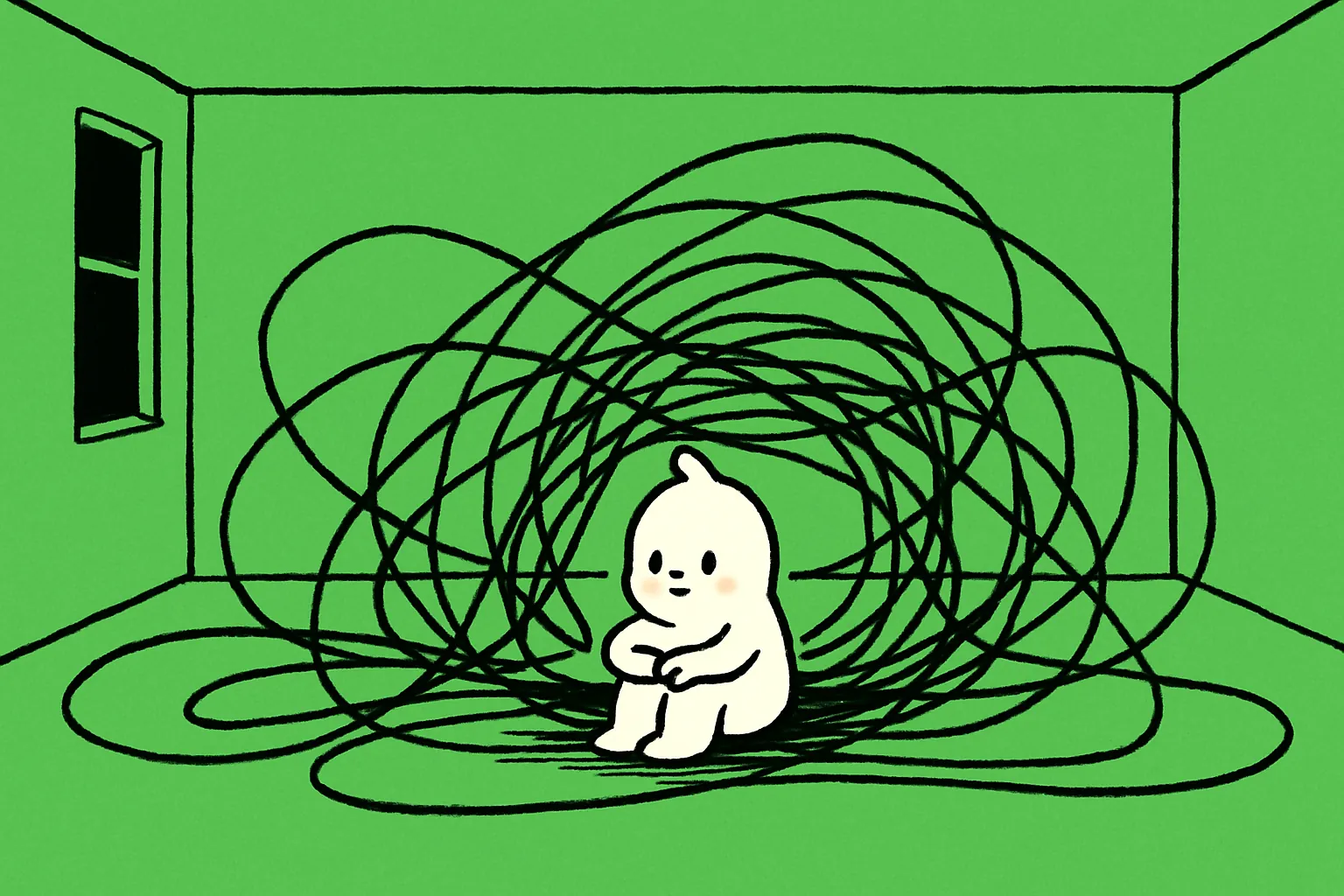
OCD tends to spike at night because everything that held it off during the day is gone. You're tired, there's no task to absorb you, nobody awake to ask, and the reassurance or checking you did earlier has worn off. Lying still leaves the thought a lot of room. It didn't get truer at 2am. It got louder, and less answerable.
 In the middle of one right now? Ride this one out with the free wave, then come back.
Why does OCD get worse at night?
Nothing about the fear changed between six in the evening and two in the morning. What changed is everything around it.
During the day there’s noise, work, people, errands, a phone that won’t stop. All of it sits between you and the sticky thought. At night the room goes quiet, the lights go off, you stop moving, and there’s nothing left in the gap.
Lying still in the dark is, by accident, close to perfect conditions for OCD. No task to hold your attention. No easy way to check. Nobody awake to ask. Just you, a thought, and hours to fill.
The thought didn’t get truer at 2am. It got room.
What’s actually different at night?
Four plain mechanics, none of them mysterious.
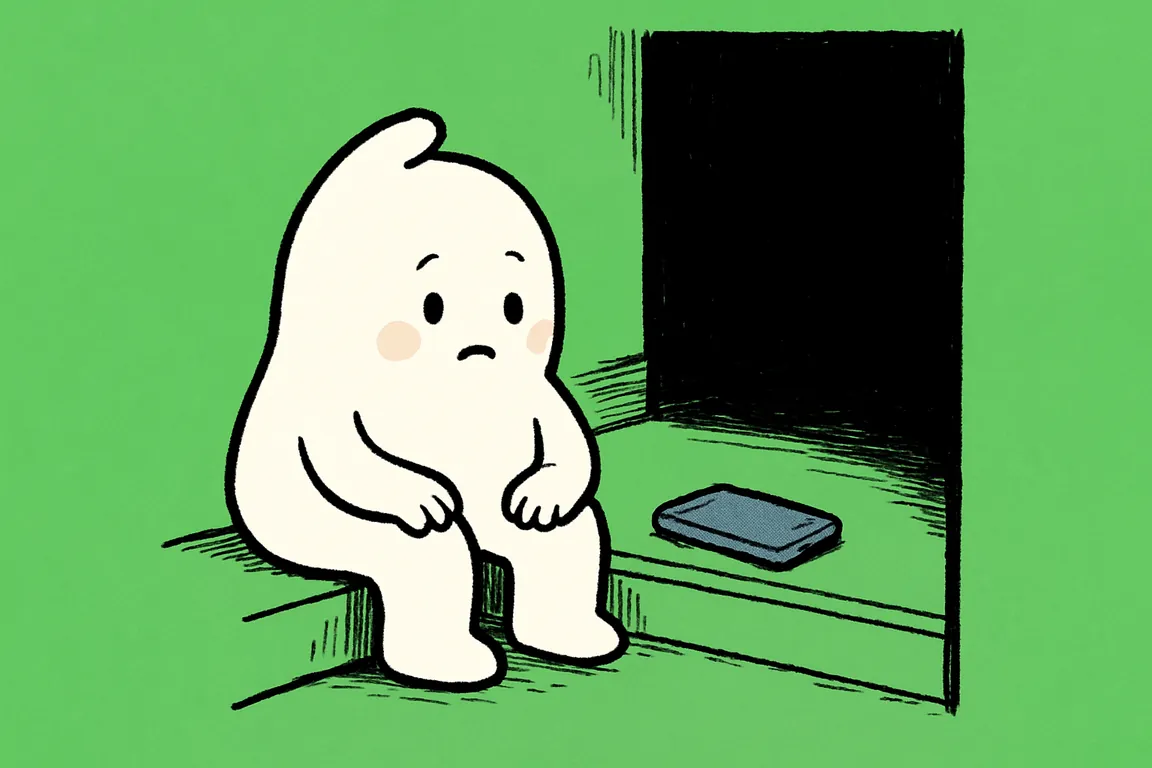
You’re tired. You’re running on less of everything, and short sleep makes emotional reactions stronger rather than smaller. The spike arrives at a version of you with fewer resources to meet it.
The distraction is gone. A lot of people manage OCD in the daytime by staying busy. Busy works in the short term, and it’s also a kind of avoidance. When the busy stops, whatever it was holding back arrives all at once.
The day’s compulsions have worn off. Checking and reassurance behave like a painkiller with a very short half-life. People with OCD ask more often, from more people, and end up less satisfied by the answer. Whatever you got at four in the afternoon isn’t working at midnight, and the person you’d normally ask is asleep beside you.
There’s nowhere for the doubt to go. You can’t check the thing, can’t call anyone, can’t settle it, so the question just circles. OCD reads “I can’t settle this” as “this must be urgent”.
Why does the thought feel so much more convincing at 2am?
Because at night you do the one thing guaranteed to make a fear feel real: you go over it, in detail, with pictures, for hours. Vividly imagining an event raises your confidence that it actually happened. Night-time review isn’t neutral fact-checking. It’s rehearsal, and rehearsal makes the scene sharper and more believable every time you run it.
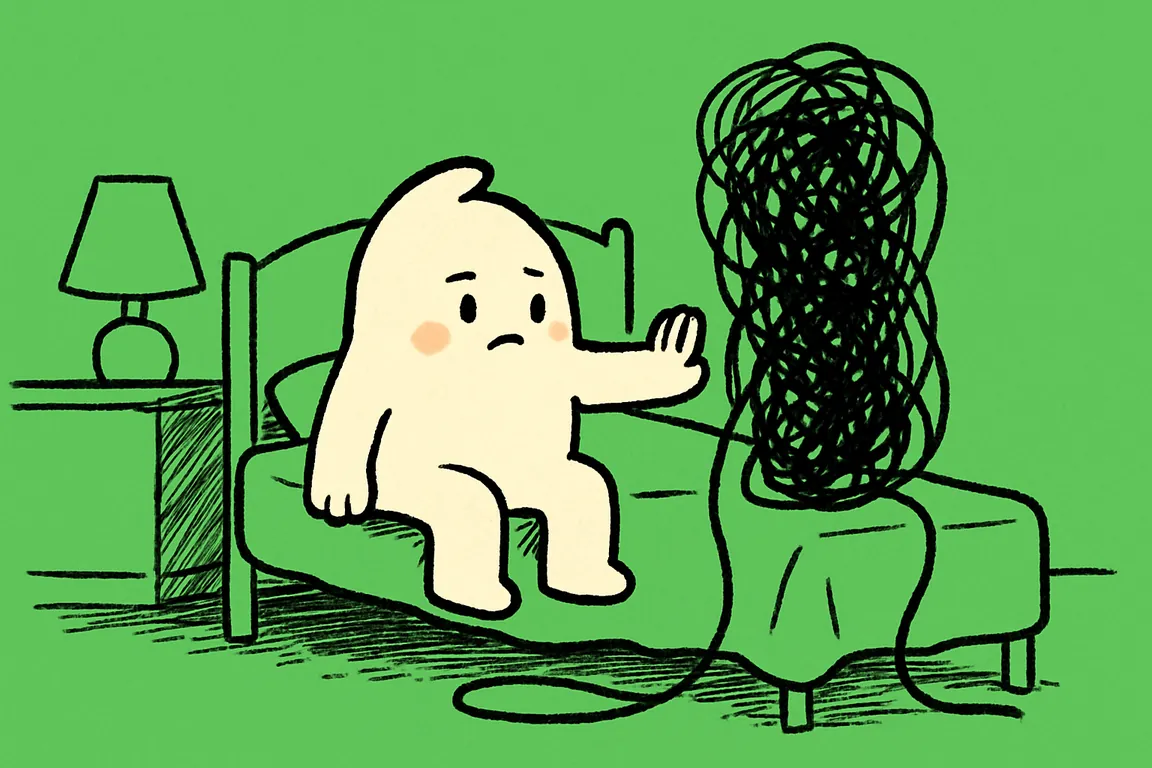
Then there’s the other half, trying to make it stop so you can sleep. Pushing an intrusive thought away brings it back more often. “I have to stop thinking about this, I’ve got work in five hours” is suppression with a deadline attached, and it’s a reliable way to keep the thought in the room all night.
It’s worth remembering that almost everyone has unwanted intrusive thoughts, including the ones that feel unspeakable. What makes it OCD isn’t the content that turns up at 2am. It’s the meaning you give it and what you do about it. If the realness is the part that gets you, we’ve written more about why OCD feels so real.
How to ride out a night spike without getting up
None of these steps make the thought leave. That’s the point. They stop you feeding it, and a spike that isn’t fed runs out of fuel on its own.
- Name the hour, not just the thought. “This is an OCD spike, it’s 2am, and 2am is when it does this.” Naming the pattern puts a small gap between you and the loop.
- Stay in bed. Getting up to check the door, the stove, the message, the browser history is the ritual, and the ritual teaches your brain the alarm was worth obeying. Repeated checking actually makes you less sure of what you checked, so the 2am check buys you about four minutes.
- Don’t google it. A search bar at night is reassurance-seeking with better lighting. You’ll find one line that soothes you and three that spike you, and you’ll be awake until four.
- Don’t wake anyone to ask. This is the hardest one, especially when someone who’d answer is right there. The relief is real and it’s short, and each round makes tomorrow night’s urge stronger. There’s more on breaking that habit in our piece on how to stop asking for reassurance.
- Let the wave come. Anxiety rises, peaks and falls by itself if you stop fighting it. That’s urge surfing, borrowed from addiction work, where a single short session left people less driven by their cravings over the following week. If you want something to follow in the dark, you can ride the free wave with your eyes shut.
- Anchor the body, but not to get rid of the thought. Long slow out-breaths, the weight of the duvet, your feet against the sheet. Slow breathing settles the body’s stress response, which helps you stay lying down. It isn’t a treatment for OCD, and using it to make the thought go away turns it into another compulsion.
- Aim for rest, not sleep. You don’t have to fall asleep for this to count. Lying quietly with an unwelcome passenger for an hour is the rep. Chasing sleep just gives OCD a second thing to fail at.
For the longer version of this method, at any hour, see how to stop an OCD spiral.
Does bad sleep make OCD worse, or does OCD wreck sleep?
Probably both, in a loop. People with OCD tend to sleep less and to go to bed later than people without it, and a short night makes the next day’s spikes harder to sit with, which makes the next night harder again.
The useful thing is not to turn sleep itself into a new certainty project. “Did I get enough? What if I never sleep properly again? What if the tiredness means something?” is the same loop wearing pajamas. Keep a boring, ordinary bedtime routine if you can, and let the sleep be whatever it is tonight.
When night spikes are a sign to get more help
One rough night is a rough night. A pattern is different. If you’re staying up late to avoid lying down with your thoughts, if most nights end in hours of mental review, if you’re getting out of bed repeatedly to check, or if dread starts arriving in the early evening because you know what’s coming, OCD has taken your nights. That’s treatable.
The treatment is exposure and response prevention: the same move you’re making at 2am, skipping the ritual, done on purpose in small planned steps. Each rep builds new learning that competes with the old alarm, and ERP within CBT is the recommended first psychological treatment. A specialist is the best place to do it, and if you can’t get one, guided ERP at home has real evidence behind it too.
If your nights include thoughts of ending your life, please don’t ride that one out alone. Surf OCD isn’t a crisis service, so find a helpline in your country and talk to a person tonight.
 Straight answers
Why do intrusive thoughts get worse at night?
They don't get worse so much as louder. At night there's no task, no company and no easy way to check, so the thought has the whole room to itself. Tiredness makes the spike harder to carry, and lying still with your eyes shut leaves you nothing to do but review it. Same thought, more space.
Should I get up and check when OCD wakes me at 2am?
Try not to. Getting up gives you a few minutes of relief and teaches your brain that the 2am alarm was worth obeying. Repeated checking also tends to leave people less sure of what they checked, not more, so you'll likely be back an hour later. Staying in bed with the doubt is uncomfortable, and it's the rep that counts.
How do I stop OCD keeping me awake?
You probably can't stop it directly, and forcing the thought out so you can sleep usually keeps it there. What helps is dropping the goal of sleep and aiming for rest instead: stay lying down, let the anxiety rise and fall, and don't check, google or wake anyone. Sleep tends to turn up once you stop hunting it.
Is it normal for OCD to be fine all day and terrible at night?
Yes, it's one of the most common patterns people describe. Daytime busyness works as distraction, and small compulsions through the day keep the volume down. Both run out at bedtime. Nothing has changed about the thought in the evening; the things that were covering it have stopped, and you're meeting it tired.
 Keep reading
Written by Edwin Simonds and checked against every source cited above. Not medical advice.
Ride the next one out
A free urge-surfing wave, right in your browser. No app, no sign-up, nothing recorded. The same tool lives in Surf OCD's free SOS.
Surf an urge now