How to help someone with OCD without reassuring them

 The short answer
Reassurance feels kind, but it works like a compulsion: the relief fades and the question comes back bigger. Instead of answering the what-if, name it as OCD, agree scripts in advance while everyone's calm, stay warm about the person while declining to settle the doubt, and keep your own life going. "Maybe, maybe not" is the honest answer, said with warmth.
Why does reassurance make OCD worse?
Because an answer from you does the same job as a check, and the brain learns from the relief. Your person asks, you say “yes, definitely, it’s fine”, and the spike drops for thirty seconds. That drop is the teaching moment. It tells the loop that the question was a genuine emergency and that your answer was what made it safe. So the next what-if arrives sooner and asks for more.
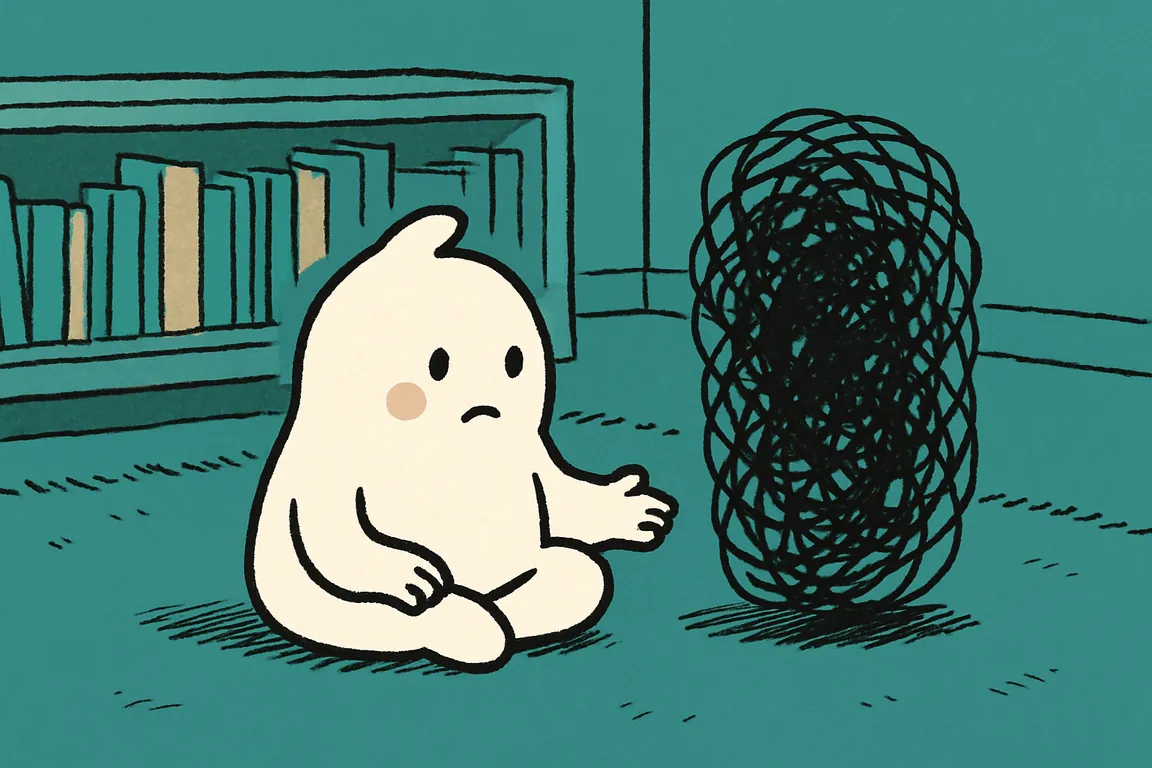
This has been measured. Reassurance seeking works like checking: people with OCD ask more often, ask more people, and end up less satisfied with the answer. And repeated checking makes people less certain of what they checked, not more.
It also isn’t weakness on their part. People ask in order to feel certain and to hand some of the responsibility to somebody else. Those are understandable things to want. The trouble is that the relief is rented, not bought, and the rent keeps going up.
What counts as reassurance?
More than you’d think, and a lot of it is silent.
- Answering the same question again, even in different words.
- Answering with your face: a nod, a sigh, a quick “of course not”.
- Checking something on their behalf, or going back to look so they don’t have to.
- Taking over a task because they can’t face it.
- Debating the odds, researching for them, reading the message they’re worried about.
- Long conversations working out what a thought “means” about them.
Themes differ and the mechanism doesn’t. A harm theme wants you to confirm what kind of person they are. A contamination theme wants you to confirm what’s clean. A relationship theme wants you to confirm how they feel. A real-event theme wants you to re-hear the story and grade it. What keeps an intrusion going isn’t its content but the meaning given to it and what gets done about it, and your answer is part of what gets done.
How to help someone with OCD without reassuring them
- Learn the loop before you change anything. Trigger, spike, compulsion, brief relief, louder repeat. It helps to know that nearly everyone reports unwanted intrusive thoughts with the same content as clinical obsessions, so the thought isn’t the illness. The scrambling to resolve it is. Reading why OCD feels so real will save you a hundred arguments.
- Talk about it when nobody’s spiking. Mid-spike is the worst possible time to renegotiate. Pick a flat Tuesday evening.
- Pick one question to start with. Not all of them at once. Choose the one that comes up most, and agree what you’ll say when it comes.
- Give genuinely new information once, then stop. If they honestly don’t know something factual, say it plainly one time. The second ask is the compulsion.
- Stay warm while you decline. Warmth and certainty are different currencies. You can hand over all of the first and none of the second.
- Drop it fully rather than trimming it. Exposure works better when rituals are stopped completely rather than cut down. “Only on bad days” teaches the loop to escalate until the day counts as bad.
- Don’t quietly take over the avoidance. Doing the scary task for them protects the fear. The point of the work is dropping the safety behaviors and practicing across different places and moods.
- Review weekly. Ten minutes, same slot. What worked, what you both fumbled, what’s next.
What to say instead: scripts you can use
Short, repeatable, said the same way every time. Boring is the feature.

- “That sounds like the OCD question we talked about. Let’s not feed it.”
- “Maybe, maybe not. And you can get through not knowing.”
- “You already know what a straight answer would do to this. Let’s sit with it instead.”
- “There’s nothing here for either of us to solve. Want to walk?”
- “That’s a question for you and your ERP plan, not for me.”
- “Nothing’s changed about how much you matter to us. The question still doesn’t get an answer.”
Notice what these don’t do. They don’t rule the fear out, don’t grade the evidence and don’t argue. They hand the uncertainty back, kindly.
Your own urge to answer will spike too, and it behaves like any other urge: it climbs, crests and falls if you don’t act on it. A single short urge-surfing exercise left smokers less driven by their cravings for the following week. You can ride the free wave alongside them, or on your own in the kitchen.
How do you agree a plan with them?
Do it with them, not to them. A plan that arrives as an announcement usually turns into a fight about control.
Write it down together: the question, your exact script, what happens if they ask a fifth time, and the weekly review. Let them name the script, so it’s theirs. Their half of the job is covered in how to stop asking for reassurance; yours is only to hold the line you both agreed.
This isn’t a side project. Including family members in psychological treatment for OCD improves outcomes compared with treatment that leaves them out, which is why clinicians treat the family’s part in the loop as part of the treatment. If they’re in therapy, ask to join a session and bring the written plan. ERP within CBT is the recommended first psychological treatment for OCD in the UK, so a good therapist will already be speaking this language.
What if they get angry, or it feels cruel?
It often does feel cruel, and they may well get angry. We’re not going to tell you it’ll go smoothly. Maybe, maybe not.
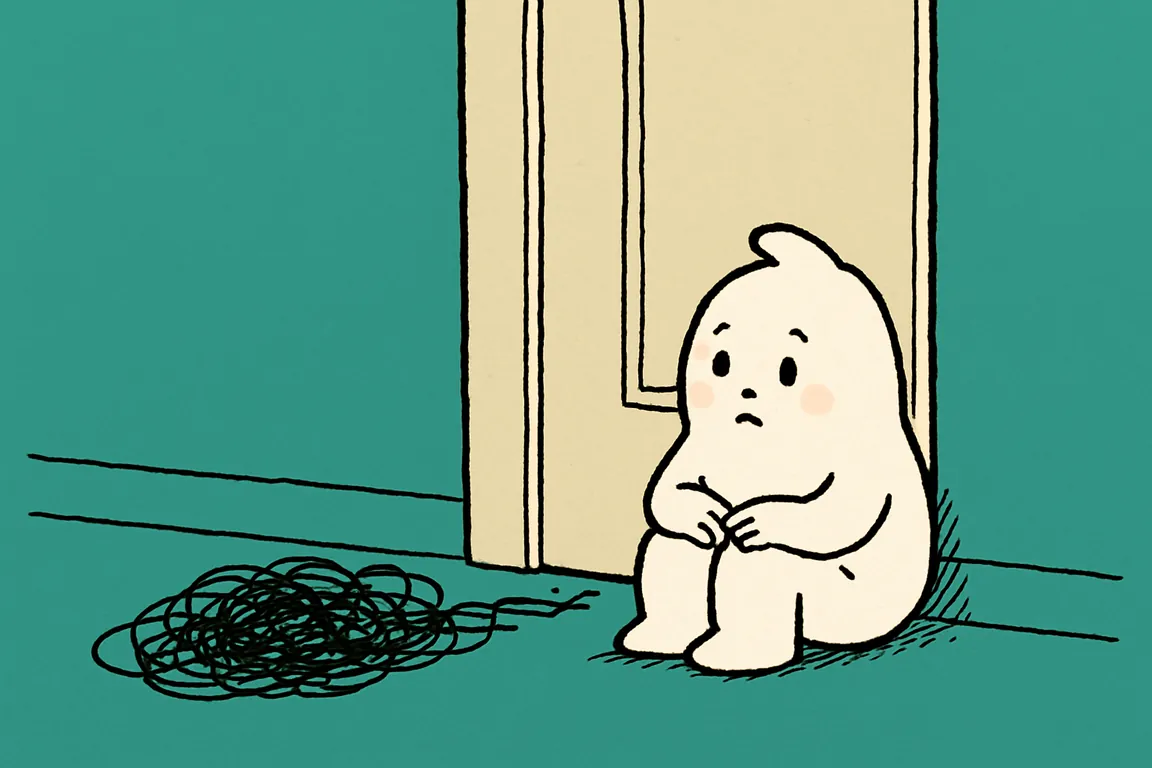
What we’d say is that the anger is usually the loop protesting at a closed door, and that it isn’t evidence you’ve done harm. Nor is their distress. Distress is the thing they’re learning to carry.
Two things help. First, agree it in advance, in writing, so nobody is inventing rules mid-spike. Second, separate the refusal from the relationship out loud, every time: the question doesn’t get an answer, and they still get you. If a spike is already running, how to stop an OCD spiral has the steps for the next twenty minutes.
If what surfaces is thoughts of ending their life, that isn’t something to manage with a script. Surf OCD isn’t a crisis service. Please find a helpline in your country and get a person involved tonight.
How do you look after yourself in this?
Because you can’t run a plan you’re too exhausted to hold.
Keep something in your week that has nothing to do with OCD. Tell one other adult what’s happening, so you’re not the only informed person in the house. Notice the hours going into reassurance rounds and count them honestly, without using the count as a weapon.
And set limits you can actually keep. “No reassurance ever, starting now” collapses at 2am. “We stick to the script we wrote, and we review Sunday” survives a bad night. If you’re snapping, say so plainly and step out of the room rather than answering to buy quiet.
When reassurance isn’t the whole problem
Cutting reassurance removes fuel. It isn’t the treatment on its own. The treatment is exposure and response prevention, done on purpose in planned steps, and you can read what the evidence actually shows before you commit to anything. If they want to start at home between sessions, how to do ERP at home is the practical version.
Your role in that is smaller than it feels and more useful than it looks: you’re the person who stopped answering, and stayed.
Surf OCD was built for the person doing the surfing, and plenty of partners and parents read along so they know what the plan is on a hard night.
 Straight answers
Isn't refusing to reassure my partner cruel?
Refusing to hand over certainty isn't cruel, though it can feel that way to both of you. Cruelty would be withdrawing warmth. You can hold the person and decline the question in the same breath. What you're refusing is the compulsion, not them, and that distinction is worth saying out loud, often, in plain words.
What do I say when they ask the same question for the tenth time?
Name it rather than answer it. Something like: "That's the same question, and we agreed not to feed it. Maybe, maybe not." Then keep your tone unchanged and carry on with what you were doing. Repeating the same short script is what makes it usable. Debating whether it's really the same question is just a new compulsion.
Can I ever answer a question about their fear?
Yes, once, if it's genuinely new information they'd have no other way of knowing. Say it plainly one time, then stop. The second ask is the compulsion, not the question. The test isn't whether the question sounds reasonable. It's whether answering buys a short burst of relief that leaves them needing to ask again.
What if they get worse when I stop reassuring?
Distress often rises before it settles, and nobody can promise a smooth ride. Maybe, maybe not. That's why plans get agreed in advance, in writing, with the person's own consent, and reviewed weekly rather than abandoned mid-spike. If distress becomes severe, or safety is a worry, that's a reason to involve a clinician quickly.
Should we stop all reassurance at once or cut down gradually?
Start with one specific question rather than everything, but drop that one all the way. Partial stopping tends to teach the loop to push harder until the exception applies. Picking a single high-frequency question, agreeing one script, and holding it fully works better than a vague promise to reassure less across the board.
 Keep reading
Written by Edwin Simonds and checked against every source cited above. Not medical advice.