False memory OCD: when you can't tell if it happened
 The short answer
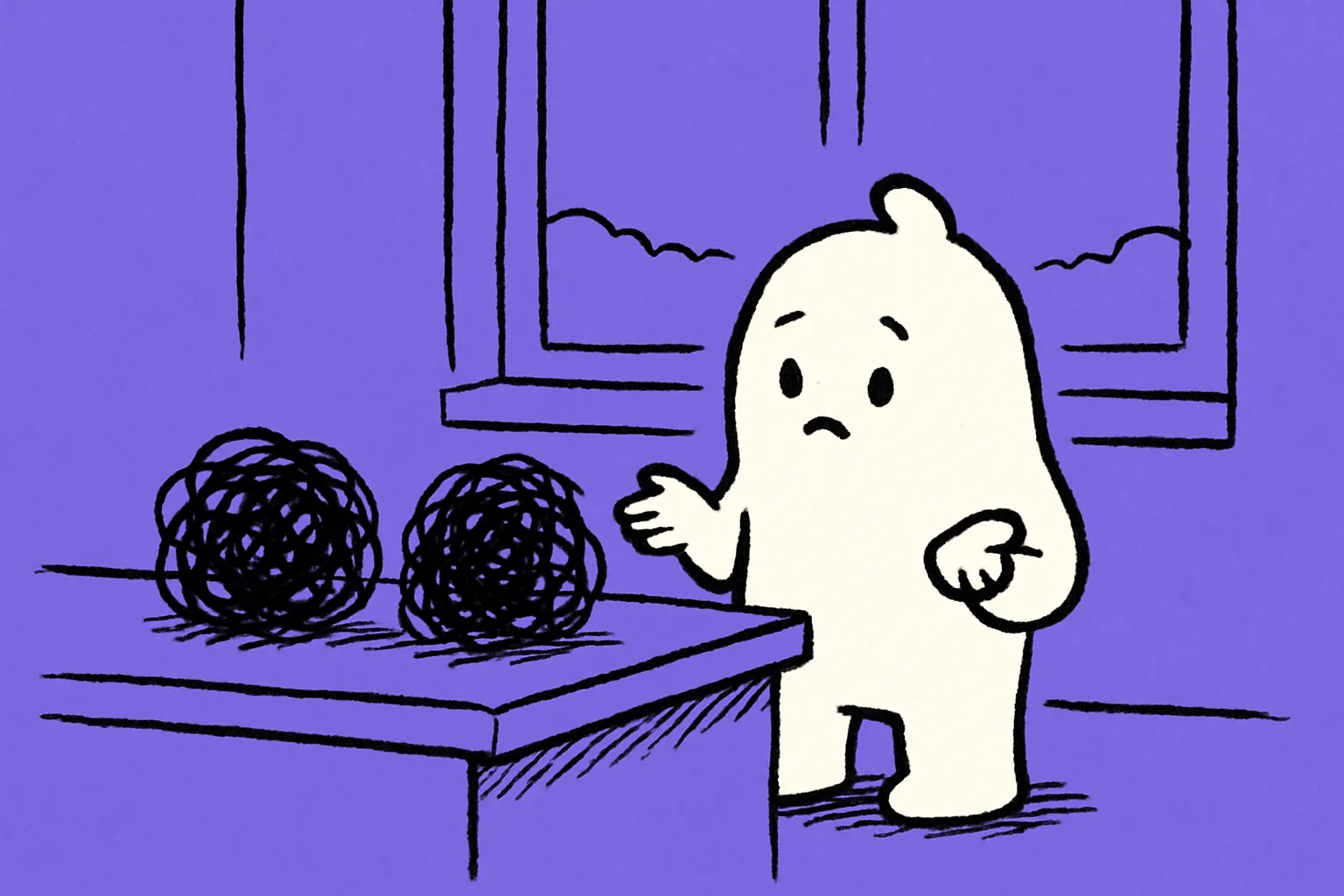
False memory OCD is when you can't tell whether something happened or your mind made it up, and the doubt becomes an obsession. Reviewing makes it worse: vividly imagining an event raises your confidence it occurred, and repeated checking erodes trust in your own memory. Nobody can rule the memory in or out. ERP means learning to live with the question unanswered.
What is false memory OCD?
False memory OCD is the theme where the sticky thought points backward. Instead of “what if I do something terrible”, it’s “what if I already did it, and I just don’t remember”.
It usually starts with almost nothing. A gap in an evening. A half-image that surfaces while you’re brushing your teeth. A comment someone made that landed oddly. Within hours you’re building a timeline. Within a week the scene has details in it.
“False memory OCD” isn’t a diagnosis. It’s community shorthand, and the word “false” is a bit of a lie, because the whole problem is that you can’t tell. We’re not going to tell you the memory is false, and we’re not going to tell you it’s true. “Maybe, maybe not” is the honest sentence here, and it’s also the doorway out.
What we can say is that thoughts with this kind of content turn up in people without OCD too. What turns one into an obsession isn’t the thought itself, it’s the meaning you give it and what you do about it.
Why does the memory feel more real the more I review it?
Because review is a factory, not a microscope.
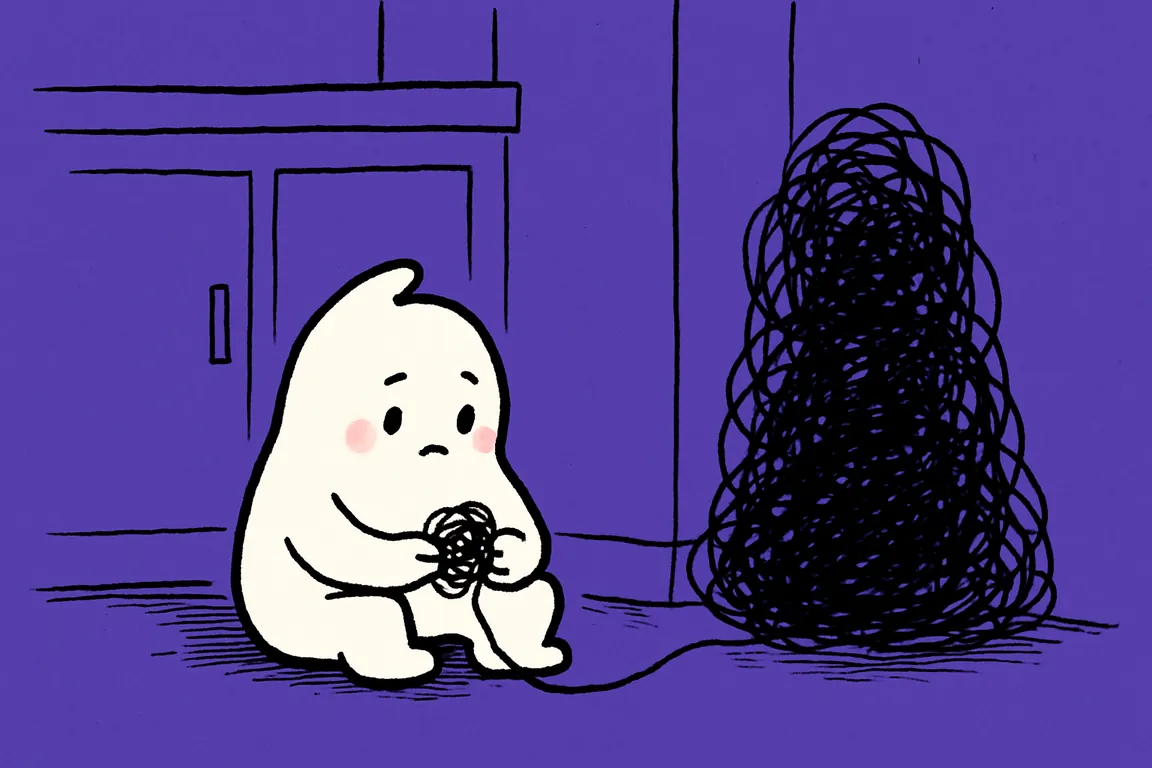
Memory isn’t footage you can rewind. It gets rebuilt each time, out of fragments and expectations and whatever mood you’re in. In the lab, vividly imagining an event makes people more confident that it really happened. That’s imagination inflation, and mental reviewing is imagination inflation performed twenty times a day with the highest stakes you can imagine.
So the replays get richer. By the twentieth pass there’s a room, a sequence, an expression on someone’s face. And richness feels like proof, because most of us use vividness as a rough guide to truth. It isn’t one. Detail and confidence don’t settle it in either direction: even a doctored photograph can lead people to report a detailed memory of an event that didn’t occur. That’s part of why OCD feels so real from the inside.
The other half of the trap is suppression. Trying to not-think about it looks like the sensible move, and pushing an intrusive thought away makes it come back more often. So you’re stuck between digging and shoving, and both of them add fuel.
“Did I do something I don’t remember?” and why checking can’t settle it
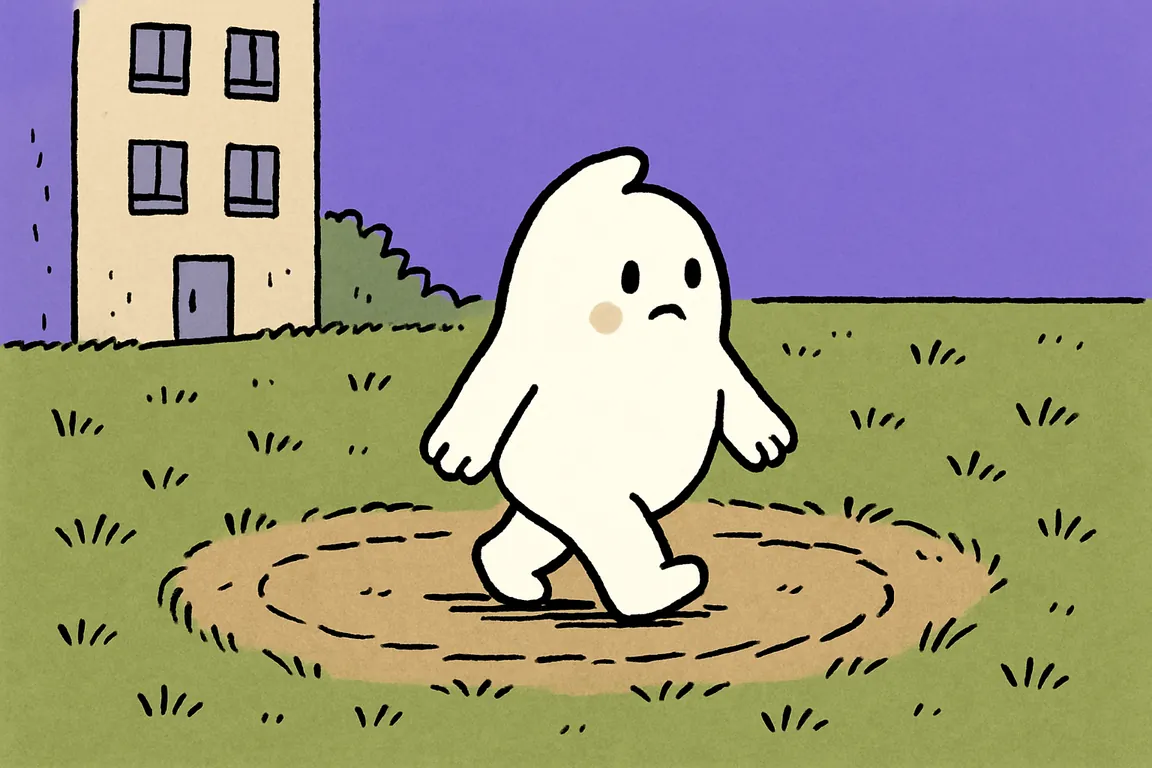
The compulsions in this theme are mostly invisible, which is why people call it pure O and then wonder why they’re exhausted. They look like this:
- Replaying the scene to find the frame that settles it.
- Building a timeline of the night, hour by hour.
- Scanning your body for the feeling a guilty person would have.
- Searching old messages, photos, location history.
- Googling “would I remember if”.
- Asking someone who was there, or confessing a vague version so you can watch their face.
They all promise the same thing: one more pass and you’ll know. The evidence points the other way. Repeated checking leaves people trusting their memory less, not more. Each pass over the scene quietly corrodes the confidence you were trying to build, which is why hour six feels worse than hour one.
Reassurance does the same damage on a faster clock. People with OCD ask more often, ask more people, and are less satisfied by the answers they get. The answer can’t stick, because what you’re really chasing isn’t information, it’s certainty, and needing to know for sure is one of the engines of OCD. If the reviewing is where you lose most of your day, rumination has its own set of brakes.
False memory OCD after drinking
This is one of the most common versions people search for, and there’s nothing shameful in it. When you drink past a certain point, the brain stops writing new memories to disk for a while. A blackout is a gap in recording rather than a memory sitting somewhere waiting to be retrieved. You were awake, talking, walking home, and there’s no file.
So there’s a genuine hole, and OCD reads a hole as an accusation. The doubt has somewhere to live, and the story you build to fill the hole gets more detailed every time you tell it to yourself. Meanwhile the friends you keep asking give you the same answer, and it lands lighter each time.
Two honest things at once. You can’t reconstruct what wasn’t recorded, no matter how long you review. And if you want to change how you drink, that’s a fair decision to make on your values, in daylight, once. Cutting back so the question can never reopen is still a compulsion wearing a sensible coat.
Is this false memory OCD or real event OCD?
They blur, and most people land somewhere between. In real event OCD, something did happen and the guilt won’t close. In false memory OCD the event itself is in question. The common ground is that both themes hand you a job with no completion criteria.
Plenty of people have a mix: a real, ambiguous half-hour whose meaning is disputed, plus a manufactured scene bolted on. The treatment shape doesn’t change, because the compulsion isn’t the content. The compulsion is trying to resolve it.
One exception, held lightly: if there’s something that genuinely needs addressing in the world, that belongs in one conversation with a professional, in the daytime, not in an investigation at 2am. Everything looks more damning at night, and there are reasons for that which have nothing to do with the truth of the memory.
How to do ERP when the question can’t be answered
ERP here isn’t about proving anything. It’s practice at carrying an open question through an ordinary day.
- Write the doubt once, in one sentence. “I might have done something that night and I’ll never know.” Then stop rewording it. Rewording is reviewing.
- Name your compulsions and stop them fully. Reviewing, timeline building, message searching, feeling-checking, confessing, asking. Half-measures don’t work as well: exposure does more when the rituals are fully dropped rather than trimmed.
- Expose to the sentence, not to an answer. Read your sentence aloud, or record it and listen, several times a day, staying with the discomfort instead of arguing back. Imagination-based exposure plus real-life exposure works better than either on its own.
- Go toward the triggers. The street, the song, the person’s name, the photo album, the type of evening. Let them spike and go about your business anyway.
- Vary it and look for surprise. Different places, different moods, no safety behaviors. New learning sticks better when exposures are varied and you’re surprised by what happens, rather than when you wait for anxiety to hit zero.
- Surf the urge to review. The pull to check is a wave, not an instruction. You can ride the free wave for a few minutes and let it pass without touching the scene.
- End the day without a verdict. Go to sleep with the question open. That’s the rep.
If writing your own scripts feels impossible from inside a spike, Surf AI can help you shape one and hold the line on response prevention.
What does recovery look like if you never find out?
Probably not as a memory that finally resolves. It looks like the question losing its grip: still there, occasionally loud, no longer running your evenings. People describe it as the thought becoming boring, which sounds like a small prize until you’ve had it.
This isn’t wishful thinking. Pooled across dozens of randomized trials, CBT built on exposure and response prevention produces large, reliable improvement in OCD, including for themes where nothing can be verified. A specialist is the best place to do it, and if you can’t get one, there’s decent evidence for guided ERP at home too.
If the guilt has moved into thoughts of ending your life, that’s not something to surf alone. Surf OCD isn’t a crisis service. Please find a helpline in your country and talk to a person today.
 Straight answers
Is false memory OCD a real diagnosis?
No, it's community shorthand rather than a clinical label. Clinicians would call it OCD with obsessional doubt about the past, often with mental checking as the main compulsion. The name is useful because it describes the experience, but the word "false" overstates things. The defining feature is that you genuinely can't tell, and the compulsions make that worse.
Can OCD actually create a memory of something that didn't happen?
Memory research shows that vivid, repeated imagining increases confidence that an event occurred, and that detailed, sincere memories can form for things that didn't take place. That doesn't tell you which way your particular case goes. It does mean confidence and detail aren't evidence, so building more of both by reviewing won't get you closer to an answer.
How do I know if it's a real memory or OCD?
You may not know, and trying to decide is the compulsion. What's more useful is noticing the pattern: does the question demand answering right now, does reviewing make the doubt stronger, does relief last minutes before the next what-if arrives? That shape is OCD's, whatever the content turns out to be. "Maybe, maybe not" is the honest place to stand.
Should I ask someone who was there?
Asking once, for practical information, is different from asking for relief. The tell is repetition: if you've already asked, or you're asking three people, or you're watching their face rather than hearing their words, it's reassurance seeking. Reassurance works like checking, so each answer satisfies less and the urge returns faster than before.
Does false memory OCD go away on its own?
Sometimes it quietens, then returns with a new gap to fill, because nothing has changed about how you respond to doubt. What reliably shifts it is exposure and response prevention: dropping the reviewing and checking while letting the question stay open. The memory may never resolve. The grip it has on your day can loosen a lot.
 Keep reading
Written by Edwin Simonds and checked against every source cited above. Not medical advice.