Sensorimotor OCD: hyperawareness of breathing, blinking and swallowing
 The short answer
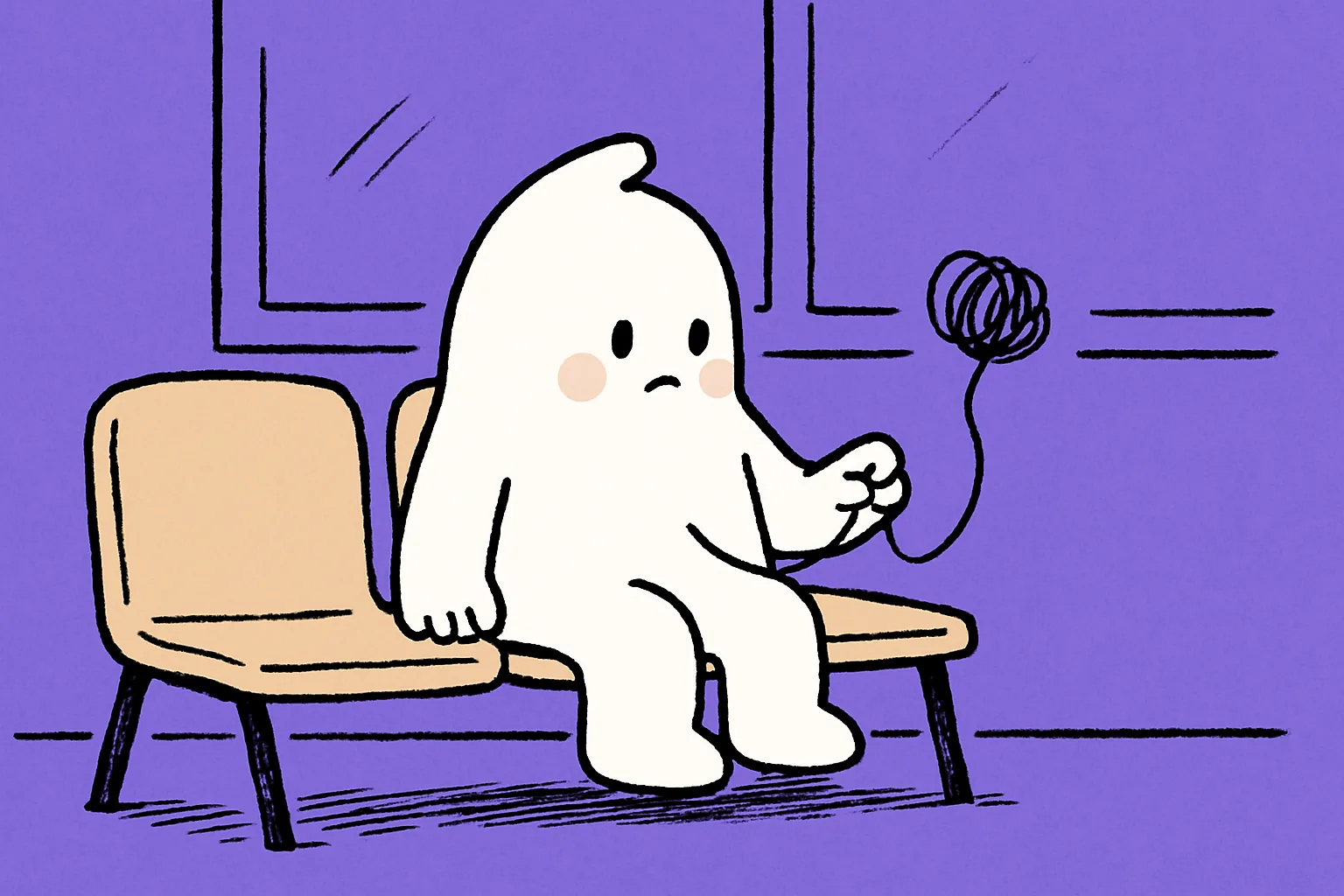
Sensorimotor OCD is when an automatic body process, breathing, blinking, swallowing, your heartbeat, gets stuck in conscious awareness and you can't stop monitoring it. The obsession is usually "what if I never stop noticing this". The compulsion is checking the sensation, testing it, or trying to force it back to automatic. Attention plus alarm keeps it loud. ERP means noticing on purpose and dropping the checking.
What is sensorimotor OCD?
Sensorimotor OCD, sometimes called hyperawareness OCD, is the theme where the sticky thing isn’t an image or a moral what-if. It’s a body process that’s meant to run without you.
Breathing. Blinking. Swallowing. Your heartbeat. Where your tongue sits. The sound of your own pulse in a quiet room.
Normally these run in the background. In a sensorimotor spike, one of them steps into the spotlight and won’t step back out. People describe having to breathe manually, or feeling like they have to remember to swallow, or that blinking has suddenly become something they do rather than something that happens.
The spike often isn’t “something is medically wrong with me”. It’s permanence: “what if I never stop noticing this. What if I have to live the rest of my life inside this sensation.”
Same engine as every other theme. What turns a passing sensation into an obsession is the meaning you give it and what you do about it, not the sensation itself.
Why can’t I stop noticing my breathing?
Because attention and alarm feed each other, and they do it fast.

Attention is a magnifier. Whatever you point it at gets more detailed, more textured, more present. Point it at your throat for thirty seconds and your throat becomes the loudest thing in the room. That part isn’t OCD, it’s how perception works.
Alarm is what makes the magnifier stick. Clark’s account of panic describes a frightened reading of the body’s own sensations pushing the alarm higher in a fast loop. Sensorimotor OCD runs that same loop with a different feared outcome. The catastrophe isn’t collapse, it’s never getting your automatic body back.
Then there’s the monitoring. Every time you check whether your breathing feels normal yet, you aim the magnifier straight at it. And checking has a second cost: repeated checking leaves people trusting their own judgment less, not more. The more you test the swallow, the less obvious it becomes that the swallow is fine.
If the sensation feels far too vivid to be “just OCD”, that’s the theme doing its job, and it’s worth reading why OCD feels so real.
What are the compulsions in sensorimotor OCD?
They’re easy to miss, because most of them happen inside you or look like looking after yourself.
- Checking: turning attention onto the sensation to see whether you’re still noticing it.
- Testing: a deliberate breath, a hard swallow, a forced blink, to see whether things reset.
- Measuring: counting how many hours today were bad, comparing today with last Tuesday.
- Researching: search, forums, symptom lists, hunting for the one person whose version went away.
- Reassurance: asking other people whether their breathing feels automatic, or asking yourself the same question all day. Reassurance works like checking: people with OCD ask more often, of more people, and are less satisfied by the answer.
- Avoidance: quiet rooms, lying down, skipping the gym, keeping busy so the sensation can’t get in.
Breathing exercises deserve a flag here. For most themes they’re a reasonable way to sit out a wave. When breath is your theme, they’re usually the ritual wearing a wellness costume, and so are long body scans. The test is the purpose: if you’re doing it to stop noticing, it’s a compulsion. When the compulsion is invisible, how to resist compulsions is the harder skill, and the one that counts.
Why trying to forget about it doesn’t work
“Just forget about it” is the one instruction the brain can’t follow. Trying to push an intrusion away brings it back more often, and pooled across controlled studies, suppression doesn’t reduce a thought and can make it rebound. Telling yourself not to think about your swallowing is a way of thinking about your swallowing.
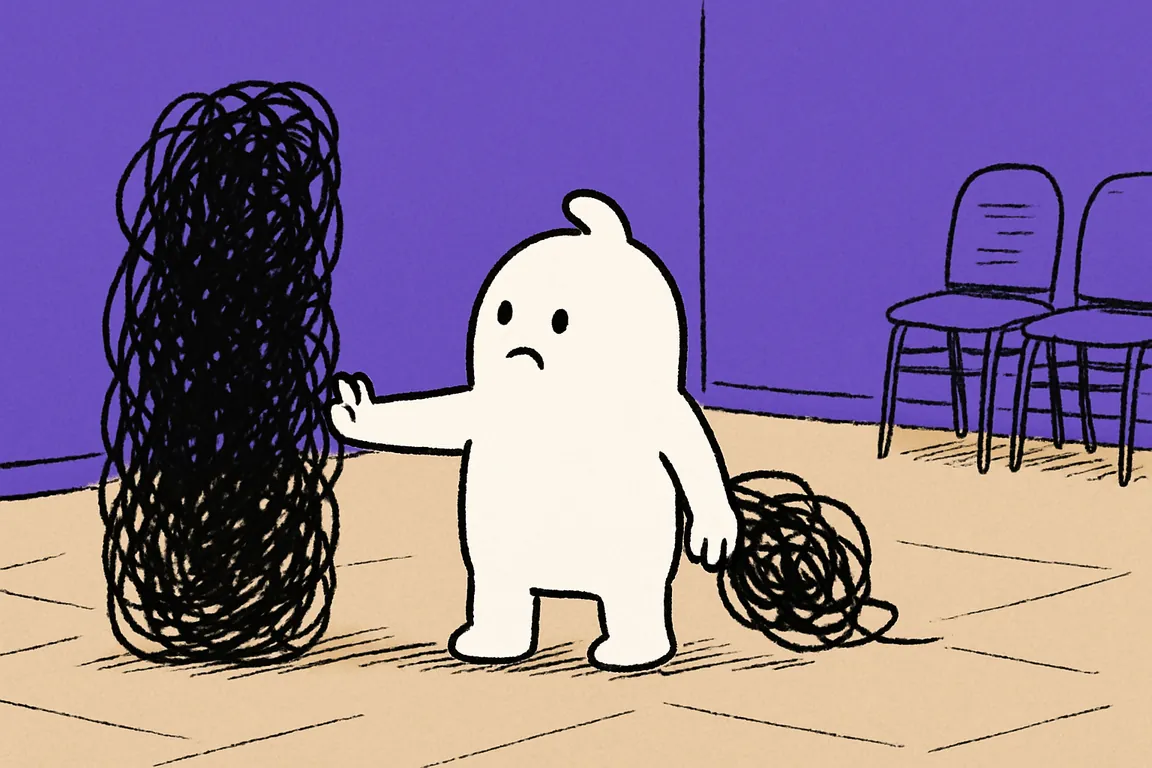
Distraction is subtler. Getting on with your day while you’re still noticing is good practice. Scrolling frantically so you never have to feel the sensation is escape, and escape teaches your brain the sensation was dangerous. It isn’t what you’re doing that decides, it’s what it’s for.
And the honest answer to “will this stop tonight” is: maybe, maybe not. We’re not going to tell you it will. That’s reassurance, and reassurance is fuel. It buys twenty minutes and charges interest. If the noticing has hooked into hours of mental review, how to stop OCD rumination covers that half of it.
How to do ERP for sensorimotor OCD
ERP for this theme looks backward. Instead of trying not to notice, you notice on purpose, and you stop doing everything you normally do about it. ERP within CBT is the recommended first psychological treatment for OCD, and hyperawareness gets the same tools as any other theme.
- Name the loop out loud. “This is sensorimotor OCD. The sensation is here and the urge is to check it.”
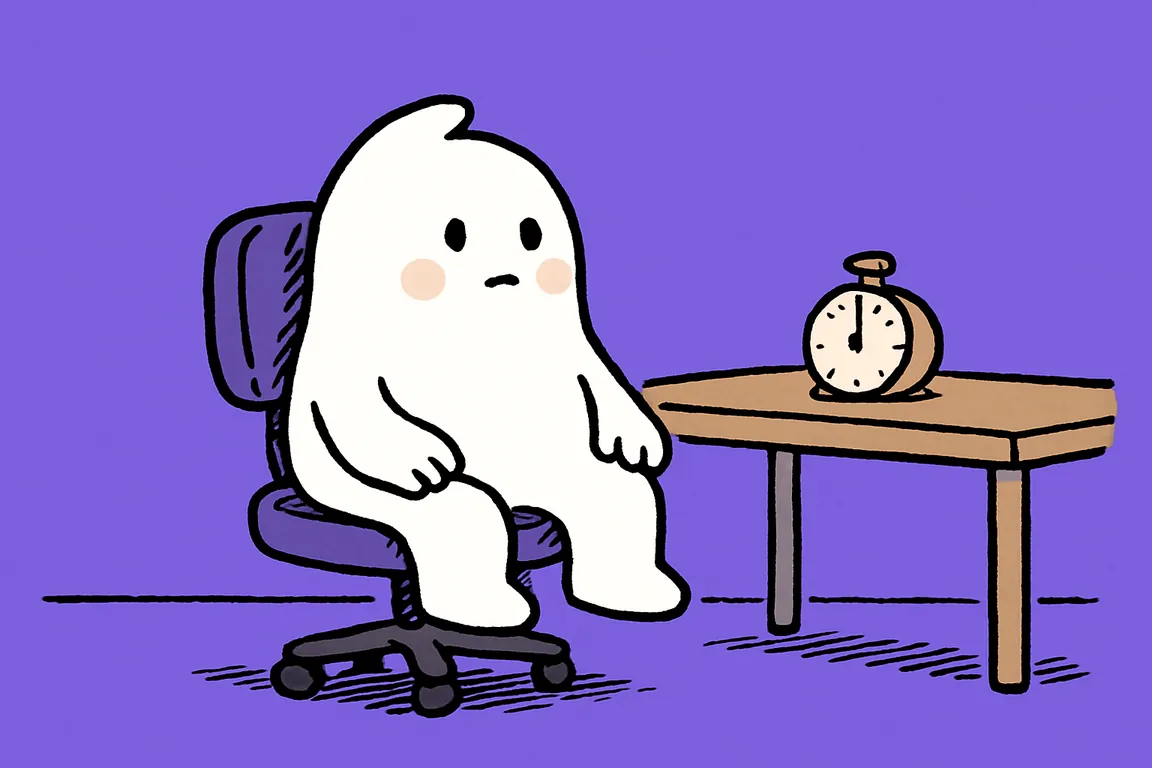
- Turn toward the sensation deliberately. Set a timer for a few minutes and notice your breath, your blinking, your swallowing, on purpose. No slowing it, no fixing it, no counting. The aim isn’t calm. It’s letting attention sit there while nothing gets managed.
- Put the fear into words. “Maybe I’ll notice this for the rest of my life. Maybe it never goes back to automatic.” Write it or say it and leave it unfinished. Answering it is the compulsion.
- Cut the rituals all the way, not halfway. No test breaths, no tallying the good hours, no searching, no asking. Exposure works better when the rituals are stopped fully rather than trimmed down.
- Practice inside your actual life. Do the noticing while you work, walk, eat, talk to someone. Varying where and when you practice, and dropping the safety behaviors, is what makes the new learning generalize.
- Look for surprises rather than waiting for the anxiety to drop. What builds the change is taking in something that doesn’t fit the alarm, like getting through a whole conversation while noticing every swallow.
- Ride the urge when it spikes. Mid-afternoon, when the pull to check arrives, let it rise and fall without answering. You can ride the free wave if you want something to hold onto for a few minutes.
A specialist is the best place to build this plan. If you can’t get to one, guided ERP at home has real evidence behind it, and how to do ERP at home walks through the setup. Turning toward the sensation often feels worse before it feels easier, which is covered in does ERP make you worse before it gets better.
Will my breathing ever go back to automatic?
Maybe, maybe not. That isn’t us being cagey. It’s the only honest sentence available, and the hunger for a better one is the hook itself. Needing to know for sure is part of how OCD keeps you working.
What we can talk about is what shifts with ERP: how threatening the sensation feels, how much of the day goes on managing it, how often you check. Plenty of people find the volume drops once they stop measuring. And if you start doing ERP in order to make the noticing fade, you’ve quietly turned the treatment back into a compulsion. The target is a life that keeps running while you’re noticing.
One more thing worth knowing: themes rotate. A sensorimotor spike can quieten and return months later wearing different clothes. The skill you build here travels with you.
What if it really is something physical?
We can’t tell you what’s happening in your body, and nothing here is medical advice. If a symptom is genuinely new, one conversation with a doctor is reasonable. What isn’t reasonable is expecting it to settle the question. The second appointment, the third opinion, the repeated “does this look normal to you” to a partner all work like checking rather than answering, and they leave the doubt bigger than they found it.
If living inside this feels unbearable, and thoughts of ending your life are part of it, please talk to a person tonight: you can find a helpline in your country. Surf OCD isn’t a crisis service.
 Straight answers
Is sensorimotor OCD a real type of OCD?
Yes, it's a recognized theme rather than a separate disorder. The content is a body process instead of a contamination or harm fear, but the structure is identical: an unwanted intrusion, a spike of alarm, and compulsions to check, test or fix. It's also called hyperawareness OCD, and it's treated with the same ERP used for every other theme.
Why does my breathing feel manual?
Because attention has landed on a process that normally runs itself, and alarm is keeping it there. Once you're monitoring each breath, you're the one timing it, so it feels effortful and wrong. Trying to consciously hand control back keeps attention pinned to it. Noticing without fixing feels counterintuitive and is the direction that actually helps.
Will sensorimotor OCD go away if I ignore it?
Maybe, maybe not, and "ignoring" usually collapses into suppression, which brings the noticing back louder. Some spikes quieten within days once people stop responding. Others dig in for months. What changes more reliably is how much power the sensation has once you stop checking, testing and searching. Nobody can promise the sensation itself disappears.
Can mindfulness or meditation help sensorimotor OCD?
It depends entirely on what you're using it for. Sitting with a sensation and not fixing it is close to exposure, and that's useful. Using a breath-focused practice to make the noticing stop is a compulsion, which is a common trap for this theme. If you finish a session checking whether it worked, the checking is the problem.
 Keep reading
Written by Edwin Simonds and checked against every source cited above. Not medical advice.